The velocity of technological change has reached a point where “the future” is no longer a distant concept but a rolling wave that reshapes our lives every few months. As we stand in 2026, looking toward the end of the decade, we are moving past the era of digital experimentation into a period of physical and structural execution. The next five years will not just be about better apps or faster internet; they will be defined by the integration of intelligence into the physical world. And the radical decentralization of how we live and work.
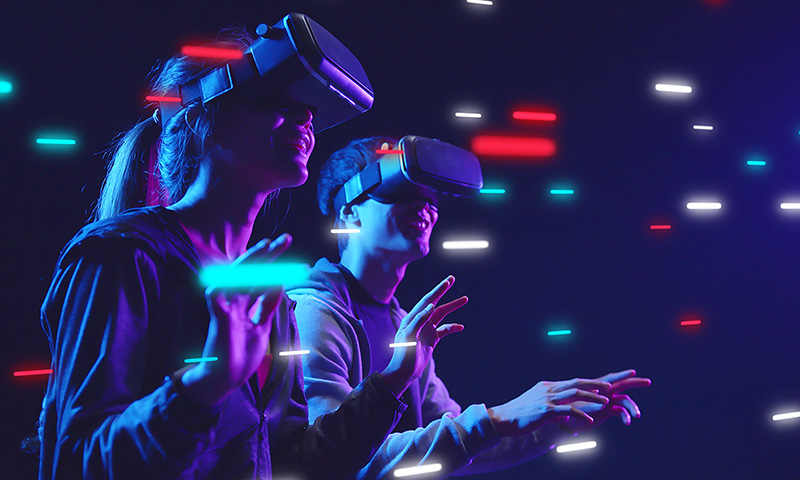
Here is an in-depth look at the pillars that will define the next five years in technology.
The Evolution of Intelligence: From Chatbots to Agentic AI
For the past few years, Artificial Intelligence has largely been a conversational novelty or a productivity assistant. However, between now and 2030, we will witness the rise of Agentic … Read more
 Video cameras are being put in in lots of new functions. From CrossFit Games athletes to the San Francisco 49ers to the New York Yankees, Marc Pro has grow to be the last word restoration-coaching instrument for more than one hundred professional and newbie groups. And whereas the electrical stimulation know-how meant for muscle conditioning and recovery has made its means into the arms of some the largest names in skilled sports activities, it is also in the arms of U.S. armed service members, because of Marc Professional and the Resiliency Mission. For every four Marc Professional gadgets which might be offered, the corporate donates one unit to the Resiliency Challenge, which then items them to the U.S. armed companies. The Resiliency Project empowers our armed providers community and gives it with resources and training with the last word objective of stopping veterans from taking their own lives.
 Lots of people are hesitant to make an funding in high definition DVD technology and for good cause. And when tested in humans, the sensor lasted as research subjects swished varied liquids of their mouths for two minutes (tap water, apple juice, mouthwash, alcohol and noodle soup). Though it’s unclear exactly how long the sensor would final within the mouth if worn beyond that time frame, researchers have been capable of gather constant data from the sensors while soaking them in numerous liquids over the interval of per week.