In the fast-paced, often ruthless world of technology, a company’s mission statement is arguably its most critical document. Far from being a mere marketing slogan or corporate platitude, the Mission Statement of Technology companies serves as the philosophical compass, the strategic blueprint, and the culture-defining mantra that guides daily decisions, product development, and long-term vision. These statements encapsulate the core purpose of some of the world’s most influential entities, revealing what they fundamentally aim to change, create, or solve in the global digital landscape.
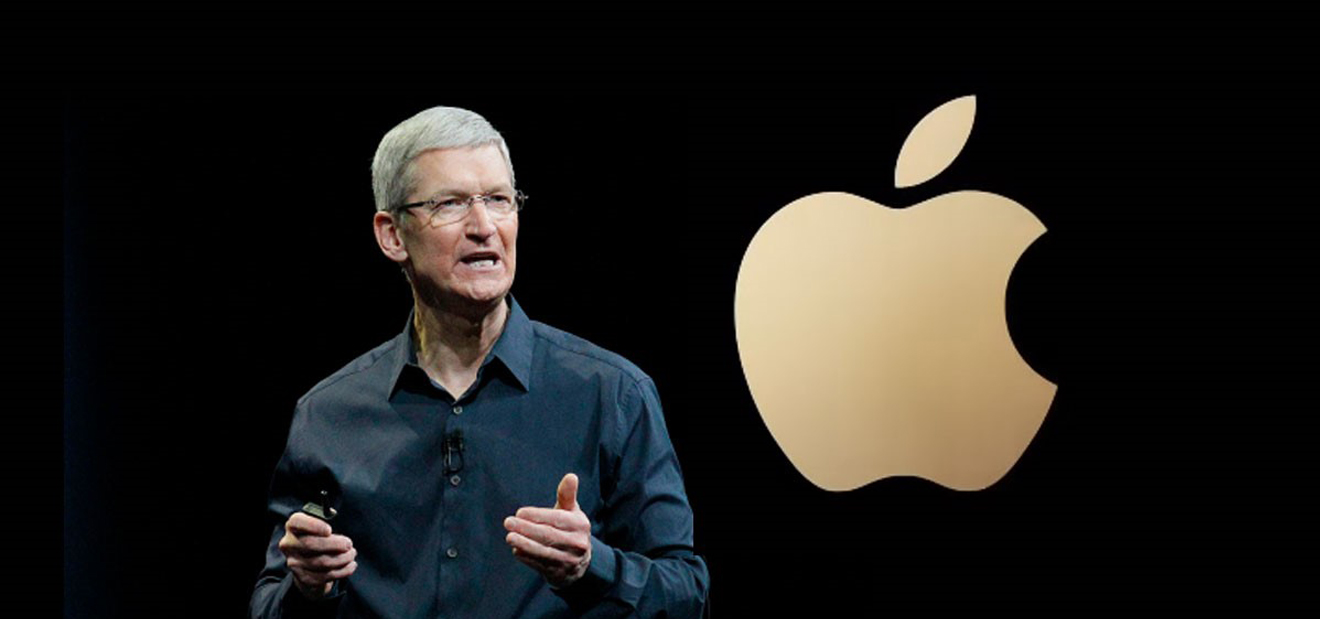
Understanding these missions is key to understanding the trajectory of the tech industry itself, as they reflect the deep aspirations—and sometimes the inherent tensions—of companies seeking to optimize, connect, and revolutionize human experience.
I. The Purpose: Why Mission Statements Matter in Tech
In technology, where innovation can shift the market overnight, a clear mission provides necessary stability and focus.
A. Strategic Focus and Resource Allocation
A well-crafted mission statement acts as a filter for product development. When faced with countless possibilities, a company must ask: “Does this new product or feature help us achieve our stated mission?” This discipline prevents dilution of effort and ensures that massive research and development budgets are aligned with the core purpose.
- Example: A company whose mission is centered on Accessibility will prioritize features like screen readers and voice control, even if they don’t immediately maximize profit margins.
B. Cultural Identity and Talent Attraction
In a highly competitive labor market, the mission statement is crucial for attracting top talent. Engineers and designers often seek companies whose goals align with their personal values. A powerful mission—like making the world more open or accelerating the world’s transition to sustainable energy—can inspire dedication and loyalty far beyond financial compensation. It defines the “why” behind the long hours and complex problem-solving.
C. Investor Confidence and Public Trust
For investors and the public, the mission statement defines the company’s ethical boundaries and long-term trajectory. It signals a company’s commitment to social responsibility (or lack thereof), influencing brand perception and market valuation, especially when the company inevitably faces public scrutiny over privacy or content moderation.
II. Decoding Key Themes in Tech Mission Statements
An analysis of the world’s leading technology companies reveals recurring, powerful themes that often dictate their strategic posture.
A. The Connectivity and Information Theme
Many foundational tech giants focus on the primary human need for connection and access to knowledge. Their mission is to act as the global intermediary.
- Focus: Bridging geographical and informational gaps.
- Aspiration: To organize, digitize, and make information universally available, or to connect every person on the planet.
This type of mission often highlights a dual challenge: achieving universal connectivity while responsibly managing the vast amounts of user data and content that flow through their platforms.
B. The Optimization and Efficiency Theme
A significant sector of the tech world, particularly in B2B (business-to-business) software and enterprise services, focuses on streamlining processes and maximizing output.
- Focus: Removing friction, automating tasks, and enhancing productivity.
- Aspiration: To build the platform or tool that allows other businesses or individuals to achieve their goals faster, cheaper, and more reliably.
These missions are straightforwardly economic, promising utility and quantifiable returns to their users.
C. The Radical Innovation and Future-Building Theme
Aspirational tech companies, often involved in frontier technologies like AI, space travel, or biotech, cast their missions in terms of fundamental, world-altering change.
- Focus: Solving problems that extend beyond current market needs.
- Aspiration: To colonize other planets, to eradicate disease, or to accelerate the shift away from fossil fuels.
These missions are designed to be vast and inspiring, demanding long-term commitment and massive risk tolerance, essentially defining the company as a force for civilizational progress.
III. The Tension Between Mission and Reality
The true test of a technology company’s mission statement is its resilience when confronted with commercial pressures and ethical dilemmas.
- Mission Creep: As companies grow and pursue new revenue streams, their original, focused mission can suffer from “creep,” where new products subtly deviate from the core purpose, risking dilution of the brand and confusion among stakeholders.
- Ethical Scrutiny: When a company’s mission (e.g., “connecting the world”) leads to unintended consequences (e.g., the spread of misinformation or addiction), the mission statement becomes the reference point for public criticism. Leaders must then either defend the mission or publicly reaffirm their commitment to the underlying social good.
A mission statement is, therefore, not a static declaration, but a living contract between the company and society. It constantly challenges leaders to align their profit motive with their stated purpose.
Conclusion: The Blueprint for Digital Transformation
The mission statements of technology companies are far more than motivational posters; they are the strategic, cultural, and ethical blueprints for digital transformation. They define the problems being solved, the customers being served, and the values that govern action. For professionals, investors, and consumers, decoding these statements offers crucial insight into the companies that shape our world, revealing their ambitions, their limitations, and their ultimate goals in the relentless race toward the future.